Choosing Roof Colours That Keep Brisbane Homes Cooler
Living on Brisbane’s Northside brings sunny weather year-round, but it also brings scorching summer temperatures and high humidity. From the established character homes in Alderley and Kedron to newer developments across Mango Hill and Bridgeman Downs, thermal efficiency is a top priority for local homeowners. With energy efficiency standards under the 2026 National Construction Code demanding greater household sustainability, your roof colour plays a massive role in regulating your indoor climate and slashing air conditioning costs.

Understanding Solar Absorptance and the Solar Reflectance Index (SRI)
When selecting a roof colour, you https://cesarrnyy597.huicopper.com/how-to-spot-termite-damage-in-brisbane-timber-roof-trusses are not simply choosing an exterior aesthetic; you are selecting a thermal barrier. Roof colours are measured using two primary metrics: Solar Absorptance (SA) and the Solar Reflectance Index (SRI).
Solar absorptance measures the proportion of solar radiation absorbed by the roof material on a scale from 0 to 1, while SRI combines solar reflectance and thermal emittance on a scale of 0 to 100 (or higher for specialised materials). The higher the SRI and the lower the solar absorptance, the cooler your home remains during blistering subtropical heatwaves. Dark charcoal and black roofs absorb up to 90 percent of the sun's radiant energy, heating ceiling cavities up to 60°C or more. In contrast, lighter shades reflect the majority of this solar radiation back into the atmosphere.
Top Reflective Roof Colours for Brisbane Properties
Modern roofing materials and reflective roof coatings provide an extensive palette of lighter and mid-tone shades that blend beauty with thermal performance. Homeowners across Brisbane Northside regularly achieve optimal cooling results with the following colour profiles:
- Ultra-Light Tones (Surfmist and Dover White): Boasting solar absorptance levels as low as 0.28 to 0.32, these colours provide maximum solar reflectance. They can reduce surface temperatures by up to 20°C compared to dark tiles or metal sheeting, making them the gold standard for passive cooling.
- Subtle Neutrals (Classic Cream and Paperbark): These warm hues suit Queenslander-style properties and mid-century builds common across suburbs like Chermside and Wavell Heights, delivering high thermal efficiency without harsh white glare.
- Light Greys (Shale Grey and Dune): For contemporary builds where an ultra-white finish might not match the exterior design, pale greys offer a balanced alternative, keeping solar absorptance well within an energy-efficient threshold.
- Earthy Coastal Greys (Evening Haze and Southerly): These soft tones incorporate subtle green and silver undertones that naturally harmonise with local bushland backdrops while deflecting harsh ultraviolet rays.
Navigating Estate Covenants and Local Planning
While light roofs offer substantial energy benefits, Brisbane Northside homeowners must balance thermal efficiency with local regulations. Certain modern master-planned estates and private developer covenants historically mandated darker roof profiles to maintain architectural uniformity. Fortunately, planning frameworks are increasingly prioritising climate-resilient construction, making light and cool-roof finishes standard across Northside suburbs.

Before committing to a roof repaint or full replacement, always review your local estate guidelines or body corporate bylaws. If your estate discourages stark white finishes, mid-tone options like Shale Grey or Dune usually satisfy neighbourhood design guidelines while still delivering marked improvements in thermal comfort over traditional dark greys and blacks.
Maximising Thermal Comfort Beyond Roof Colour
While colour is the first line of defence against radiant heat, pairing a light roof with complementary cooling infrastructure creates a truly resilient, energy-efficient home. To unlock maximum savings on cooling bills through 2026 and into 2027, consider an integrated approach to passive thermal design:
- Quality Roof Sarking: Installing reflective foil insulation beneath your metal sheeting or roof tiles acts as a secondary radiant barrier against heat transfer into your roof cavity.
- Sufficient Ceiling Insulation: High-density bulk insulation batts (minimum R4.0 or R5.0) prevent trapped ceiling heat from radiating downward into your living spaces.
- Adequate Roof Cavity Ventilation: Combining intake eaves with mechanical or solar-powered whirlybirds continuously flushes hot, stagnant air from the attic cavity.
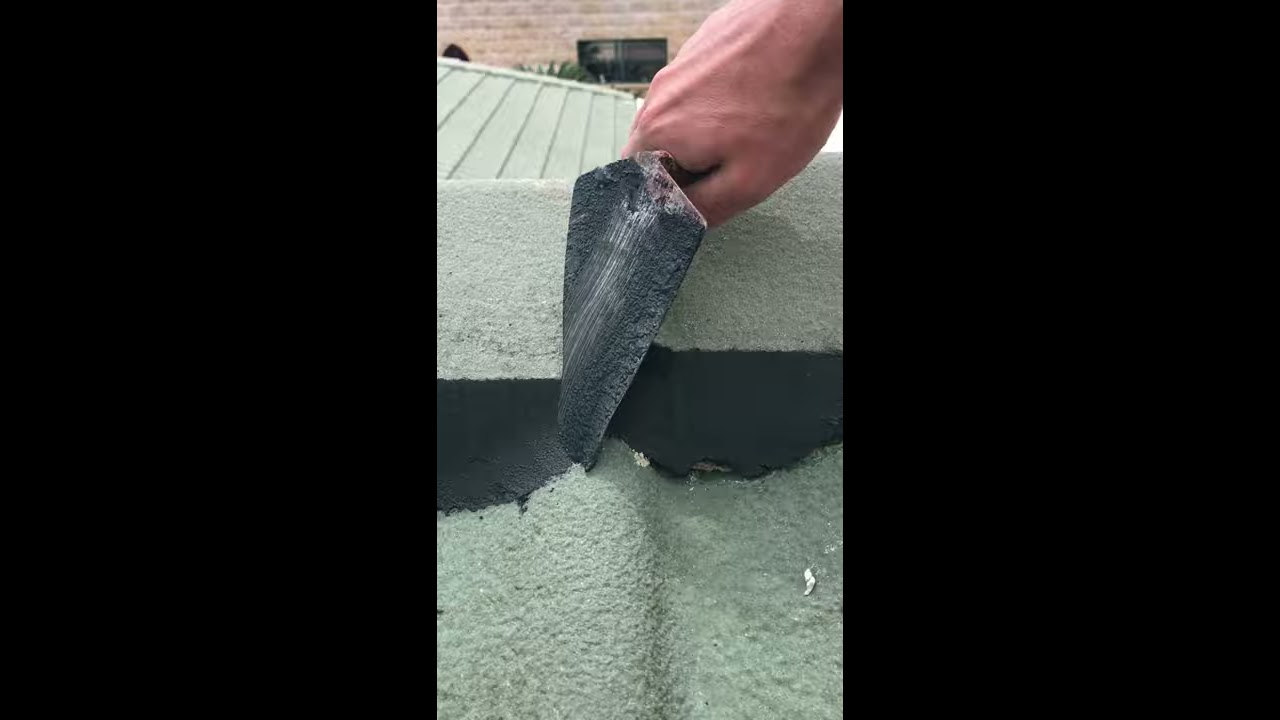
- Reflective Membrane Restorations: If you are repainting an existing tile or metal roof, choose specialized cool-roof paints with microscopic ceramic or thermal additives designed to enhance infrared reflection.
Keep Your Northside Home Naturally Comfortable
Selecting the right roof colour is one of the most effective, cost-efficient upgrades you can make to battle Brisbane’s intense heat. By pivoting away from heat-absorbing charcoals and adopting high-SRI shades like off-whites, pale neutrals, and light greys, you protect your ceiling cavity, reduce dependency on daytime air conditioning, and enjoy a cooler home all summer long.
Brisbane Northside Roof Restoration
Unit 3/3 Harvton St, Stafford QLD 4053
(07) 3130 0990